

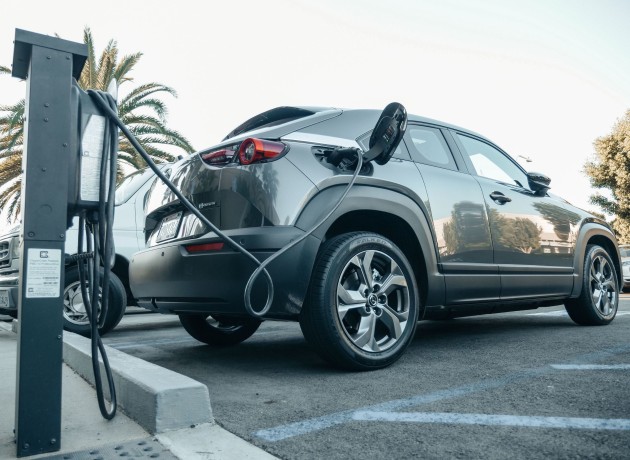
The Victorian Automotive Chamber of Commerce (VACC) is warning that Australia’s rapid shift toward electric vehicles (EVs) risks outpacing both consumer understanding and industry readiness, with new research revealing emerging gaps that could impact cost, safety and access to vehicle servicing.
Recent new vehicle sales data shows EV uptake is accelerating, signalling strong momentum in the transition. However, consumer research commissioned by VACC and conducted by Kantar suggests the broader vehicle fleet – and the behaviours that support it – are still catching up.
Kantar surveyed 1,000 vehicle owners across Victoria and Tasmania to understand attitudes, behaviours and perceptions relating to vehicle ownership, servicing and emerging technologies, including electric vehicles.

The research results highlights a growing disconnect between perception and reality when it comes to EV servicing. While most EV owners report confidence in maintaining their vehicle and do not expect significantly higher servicing costs, two-thirds believe EVs can only be serviced at specialist centres rather than by local workshops.

VACC CEO Peter Jones said this misunderstanding has the potential to create unnecessary pressure across the service network.
“The reality is that many automotive businesses are already adapting to new technologies. But if consumers believe their options are limited, it risks creating bottlenecks, longer wait times and added pressure on the system,” he said.
The findings come at a time when automotive businesses are being asked to invest significantly in new tooling, diagnostic equipment, safety systems and training, while continuing to service the existing fleet of petrol and diesel vehicles.

For many small and medium operators, this represents a substantial financial and operational challenge. Without targeted support, VACC warns service capacity could tighten – particularly in regional areas – limiting consumer choice and increasing costs.
“The transition to EVs isn’t just about buying a different type of car,” Jones said.
“It’s about making sure there is a skilled workforce, properly equipped workshops, and access to servicing wherever you live – whether that’s in the city or in regional Australia.”
The research also highlights broader cost-of-living pressures already influencing vehicle maintenance behaviours. A third of motorists report delaying servicing due to time constraints, while around 30 per cent have postponed maintenance to save money – in some cases leading to higher repair costs or breakdowns.
VACC says these trends are likely to intensify if servicing becomes more complex or less accessible as the vehicle fleet evolves.
At a policy level, the VACC Blueprint outlines the need for a practical and coordinated approach to the EV transition. The organisation has cautioned against regulatory proposals that duplicate existing systems, particularly where nationally recognised automotive qualifications already provide a strong and effective safety framework.
“Good policy should support the transition – not complicate it,” Jones said.
“We already have the skills, standards and training frameworks in place. What we need now is alignment, investment and practical support to ensure businesses can continue to deliver for their customers.”
VACC is calling for targeted investment in EV tools, equipment and training, support for small and regional workshops, and improved consumer education around how EVs are serviced and maintained.
Jones said the success of the transition will ultimately depend on how well it works in practice.
“The automotive industry has always adapted – and it will continue to do so,” he said.
“But we need to make sure this transition is practical, sustainable and works for motorists, businesses and communities right across Victoria and Tasmania.”
The VACC Policy Blueprint outlines key priorities and reform recommendations to support Victoria’s automotive industry through a period of significant change, including the transition to electric vehicles. It focuses on practical, evidence-based policy settings to ensure the industry remains safe, sustainable and competitive while continuing to deliver essential services to motorists.