

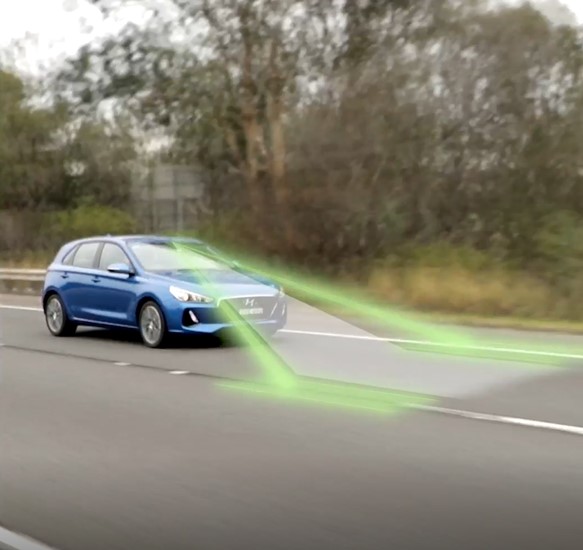
Thatcham Research is set to launch a new advanced driver assistance systems (ADAS) testing program aimed at better reflecting real-world driving conditions, according to online UK publication Bodyshop Magazine.
The move will see Thatcham step away from its long-standing collaboration with Euro NCAP, which has shaped vehicle safety testing protocols across Europe since 2004. Instead, the organisation will develop its own framework designed to assess not only whether ADAS features intervene, but whether they do so appropriately in everyday driving scenarios.
As reported by Bodyshop Magazine, Thatcham’s chief research and operations officer Richard Billyeald said the shift is being driven by concerns that some current systems can be overly intrusive, potentially undermining driver confidence.
“There is a growing recognition that some ADAS features intervene when they are not required,” Billyeald said, noting that this can lead drivers to disengage the systems altogether.
The new testing approach is expected to focus on what Thatcham describes as a more “collaborative driving experience”, where safety technologies support rather than override driver inputs. This reflects a broader industry trend toward refining system behaviour, rather than simply increasing the number of electronic safety features fitted to vehicles.
Bodyshop Magazine reported that Thatcham’s decision comes shortly after Euro NCAP announced updates to its own testing protocols, aimed at keeping pace with increasingly complex vehicle technologies.
Supporting the shift, a Thatcham study cited in the report found that while 82 per cent of UK drivers feel safer with ADAS, nearly a quarter (23 per cent) consider some systems distracting, irritating or intrusive.
For the collision repair sector, the development highlights a growing emphasis on how ADAS performs outside controlled environments. While Bodyshop Magazine does not directly address repair implications, the move toward real-world validation is likely to influence expectations around post-repair calibration and system verification.
As ADAS technology continues to evolve, the industry is moving beyond installation and calibration toward ensuring systems operate as intended in dynamic, real-world conditions – an area that may become increasingly relevant for repairers, insurers and regulators alike.
Click here to read the full article.