

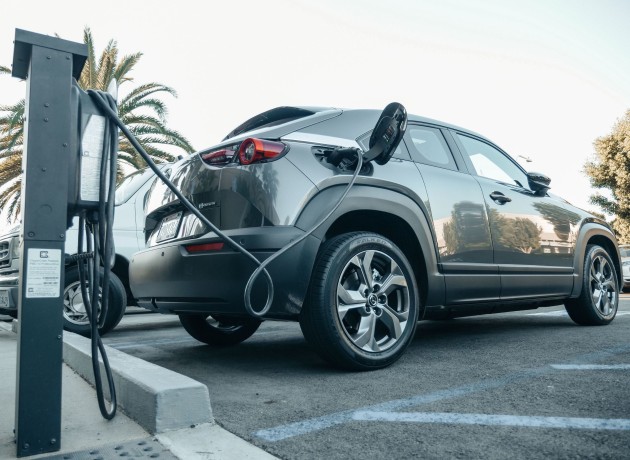
Roads Australia (RA) has welcomed confirmation from Fedreal, state and territory treasurers that work on a national road user-charging framework is progressing, with fairness and simplicity as guiding principles.
RA chief executive Ehssan Veiszadeh said strong consumer demand for EVs reinforced the urgent need for a sustainable funding model.
“With more than 100,000 EVs now on NSW roads and uptake rising rapidly nationwide, it’s clear Australians are embracing cleaner, more efficient transport,” Veiszadeh said.
“A fair and nationally consistent road user charging system will help secure sustainable funding for the infrastructure that keeps our economy moving.”
Roads Australia continues to advocate for:
- Fairness and transparency in any future charging model
- Investment in EV charging networks to support consumer confidence and regional connectivity
- A nationally coordinated approach that avoids duplication and complexity
EV drivers don’t currently contribute to fuel excise revenue. A road user charge will ensure everyone pays their fair share, regardless of vehicle type.
“We believe the revenue raised through a road user charge should go back to roads, which could include more investment in EV charging infrastructure, making it easier for more Australians to make the switch,” Veiszadeh said.
“Every EV on the road helps reduce emissions and household costs. A well-designed road user charging system will ensure we can maintain and improve our road networks while supporting Australia’s net zero ambitions.”
State and territory treasurers confirmed last week that a future road user charging regime, under Commonwealth leadership, would be phased to enhance productivity, climate goals and the consumer benefits. Meanwhile, the NSW Government has confirmed EVs represent 8.6 per cent of new light vehicle sales in 2025, up from 0.7 per cent in 2020.
Roads Australia will become Transport Australia early next year, reflecting the organisation’s commitment to advancing long-term planning and investment in an integrated transport system.