

The next wave of advanced driver assistance systems (ADAS) arriving in new vehicles is expected to add another layer of complexity for collision repairers, as sensors become more capable and increasingly integrated into vehicle design.
Repairers have already adapted to calibrating forward-facing cameras and radar sensors following repairs. However, newer technologies appearing across recent and upcoming vehicle models are expanding both the number of sensors on vehicles and the precision required when repairing them.
One of the most significant developments is the introduction of higher-resolution radar systems, sometimes referred to as “4D radar”. Traditional automotive radar measures distance, speed and horizontal position of objects ahead of the vehicle. The newer systems are able to add vertical information, helping the vehicle better distinguish between different types of objects such as vehicles, pedestrians and roadside infrastructure.
For repairers, these sensors are typically mounted behind front bumpers or grilles, meaning even relatively minor collision damage can affect sensor alignment. As a result, radar calibration procedures are likely to become more critical following repairs.
Another important trend is the continued development of sensor fusion systems. Modern ADAS platforms combine data from multiple sensors – including cameras, radar, ultrasonic sensors and in some vehicles lidar – to build a detailed picture of the vehicle’s surroundings.
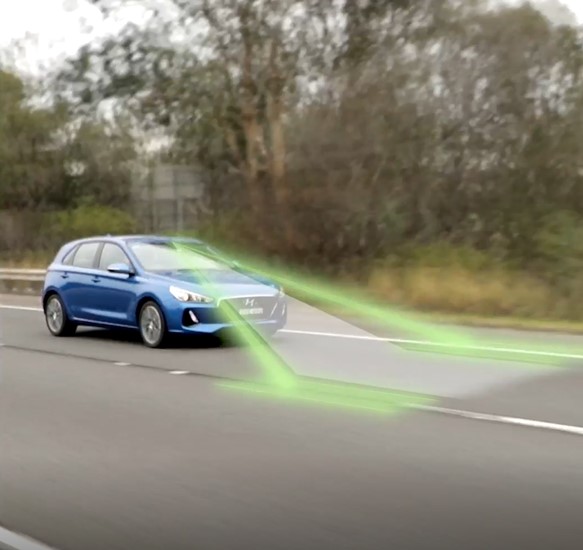
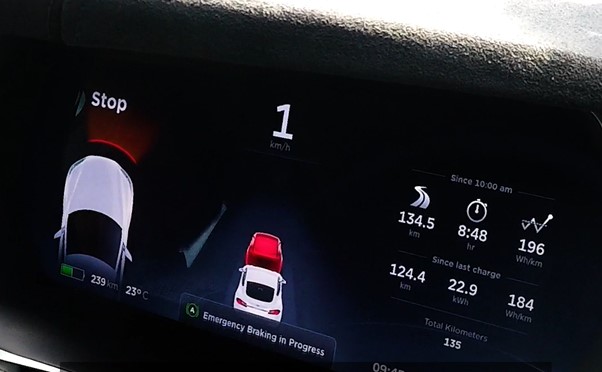
These systems support a range of driver assistance features such as adaptive cruise control, lane-keeping systems, blind spot monitoring and automated emergency braking.
Because several sensors are working together, damage to one component can potentially affect the operation of the entire system. This means repairers must ensure that sensors mounted in bumpers, mirrors, windscreens and body panels are correctly positioned and calibrated after repairs.
Radar sensors positioned in the corners of bumpers are also becoming more common. These sensors are used for functions such as blind spot monitoring and rear cross-traffic alert. Their location makes them particularly exposed to minor parking impacts or low-speed collisions, increasing the likelihood that they may need inspection or recalibration during repairs.
Camera technology is evolving as well. Many vehicles now feature surround-view camera systems that use multiple cameras positioned around the vehicle – typically in mirrors, bumpers and tailgates – to provide drivers with a 360-degree view when manoeuvring.
These systems can also contribute to broader ADAS functions when combined with radar and other sensors. If cameras are moved, replaced or misaligned during repairs, recalibration may be required to ensure the system functions correctly.
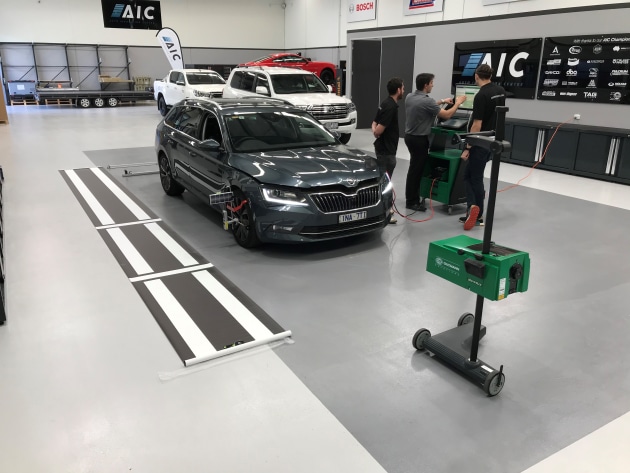
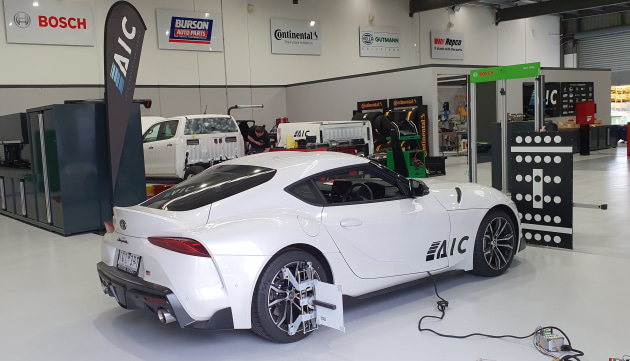
Windscreens are also playing a more important role in ADAS operation. Many modern vehicles house camera modules behind the windscreen that support features such as lane-keeping assistance and traffic sign recognition. When windscreens are replaced, these cameras typically require recalibration using specialised equipment.
In some newer vehicles, additional sensors such as lidar are beginning to appear, particularly in premium models and some electric vehicles. While not yet widespread across the entire market, their presence further illustrates how rapidly vehicle-sensing systems are evolving.
For the collision repair industry, the direction of travel is clear. As ADAS technologies become more capable and more deeply integrated into vehicle structures, electronic diagnostics and calibration procedures are becoming an increasingly important part of the repair process.
For repairers, this means ongoing investment in equipment, training and diagnostic capability will remain essential as the technology continues to develop.