

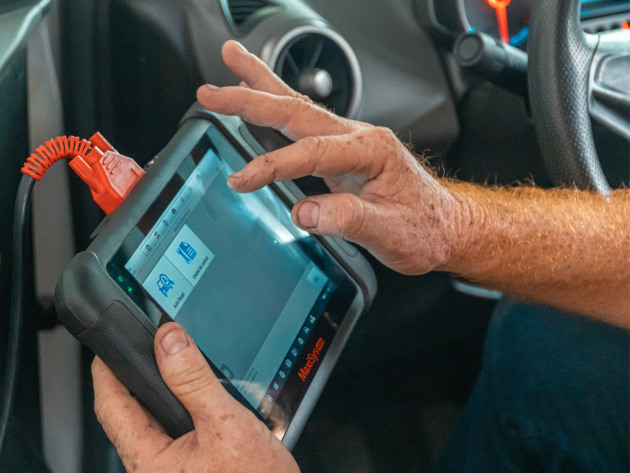
The Australian Automotive Aftermarket Association (AAAA) and the Victorian Automotive Chamber of Commerce (VACC) have welcomed the Australian Government’s recent response to Treasury’s review of the Motor Vehicle Service and Repair Information Sharing Scheme (MVIS), including consultation on targeted improvements that will make it easier and cheaper for independent workshops to access manufacturer repair information, protect consumer choice, and ensure Australian motorists continue to have competitive servicing options.
Building on the success of Australia’s world-leading Right to Repair Scheme, the Hon Dr Andrew Leigh MP recently announced consultation on a suite of reforms aimed at protecting motorists’ freedom to choose where they service their vehicles, while improving access to repair information, adapting the Scheme to technological change, and strengthening transparency and regulatory settings.
These reforms include: electronic logbooks; expanded access for intermediaries; smarter access to higher-risk repair information with appropriate safeguards; improved hardware and diagnostic tool access; smarter handling of safety and security information; and more visible, practical compliance and enforcement.
“These are the real-world issues workshops encounter when servicing modern vehicles,” CEO of AAAA, Stuart Charity, said.
“Getting them right will determine whether the Scheme continues to deliver consistently across all makes and models – particularly for multi-brand workshops that form the backbone of Australia’s independent repair sector.
“If a motorist chooses an independent workshop, that choice should not come with strings attached.
“For example, Australians should be able to maintain a complete service record wherever they choose to service their vehicle – and that service history should be portable, usable, and recognised.”
The Government’s response also confirmed the Scheme is delivering as intended. The Treasury review found it has expanded consumer choice, improved access to repair information and supported safe, timely vehicle repairs, and has been associated with an estimated $2.4 billion increase in automotive industry turnover annually. Independent workshops are experiencing improved capability, productivity and profitability.
This uplift reflects a more competitive repair market where independent workshops can do more work, more efficiently – delivering better value for Australian motorists.
“Right to Repair is delivering for motorists and small business, and this review is a clear endorsement that the Scheme is working,” Charity said.
The Victorian Automotive Chamber of Commerce (VACC) said the final report of the review supports the industry's position and demonstrates the scheme should now be extended to heavy vehicles, motorcycles and agricultural machinery.
VACC chief executive officer Peter Jones said the report's findings aligned closely with the evidence provided by independent repairers during the review process.
"The report confirms the information sharing scheme is working as intended – improving competition, supporting independent workshops and delivering greater choice for motorists," Jones said.
"These outcomes validate what VACC and our members have consistently advocated for. The scheme has created a more level playing field while maintaining the viability of independent repair businesses across the country."
Jones said the report's assessment of improved competition, productivity and consumer choice directly reflected evidence VACC provided.
The report also examined the economic contribution of independent repairers and the role access to service and repair information plays in sustaining competition in the automotive sector.
Jones said while the review's scope was focused on the current scheme's operation, the positive findings made a compelling case for broader reform.
"We appreciate the review was not tasked with examining expansion of the scheme, however the success demonstrated in this report makes it critical that government now look at extending coverage to other industry sectors including; motorcycles, heavy vehicles and agricultural machinery," he said.
"These sectors support thousands of regional and specialist repairers and face identical information access barriers without the same regulatory protections."
He said expanding the scheme would ensure consistent standards across the automotive sector and support the viability of businesses servicing Australia's commercial and agricultural vehicle fleets.
"The independent repair sector has demonstrated it can compete effectively when given fair access to information," Jones said.
"Government should now build on this success by ensuring the same principles apply across all vehicle categories. That would deliver better outcomes for businesses, regional communities and vehicle owners right across the transport sector."
AAAA commended Treasury’s Right to Repair Unit for the integrity and technical rigour of its review, and for a respectful, thorough consultation process.
AAAA also acknowledged the Hon Dr Andrew Leigh MP for continued leadership on right to repair, productivity and competition.
The Government has also confirmed that the Scheme must continue to evolve as vehicles become more connected and software-driven, with telematics remaining on the reform agenda. As connected-car data increasingly shapes what is diagnosable, repairable and affordable.