


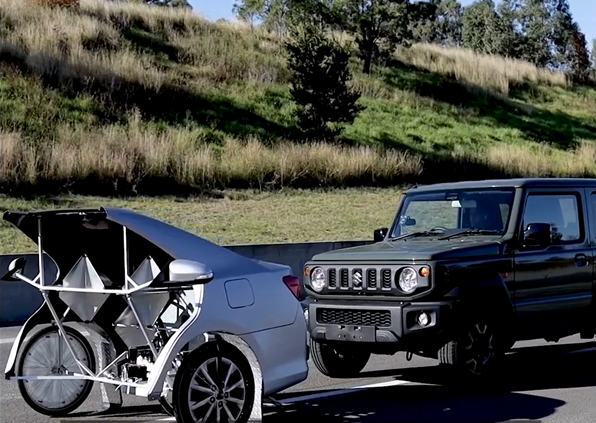
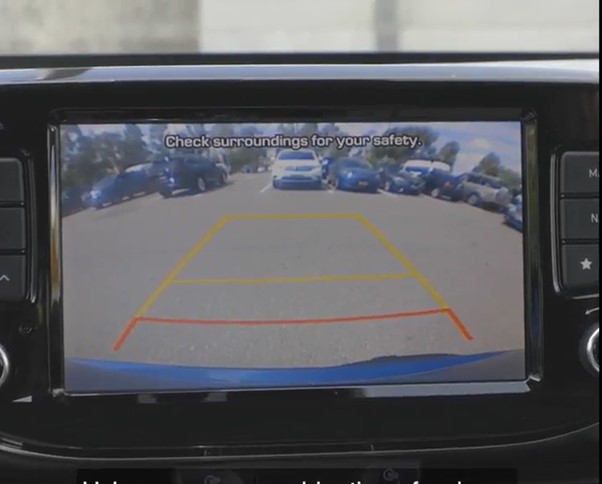
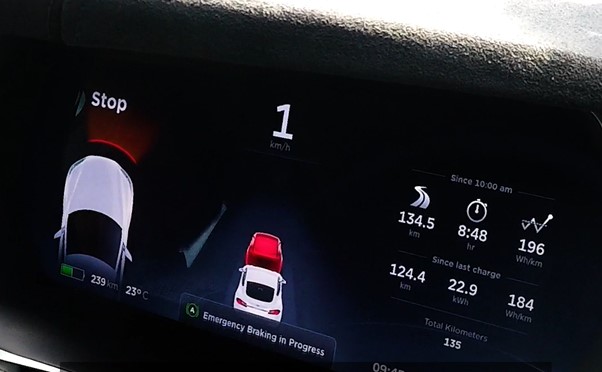
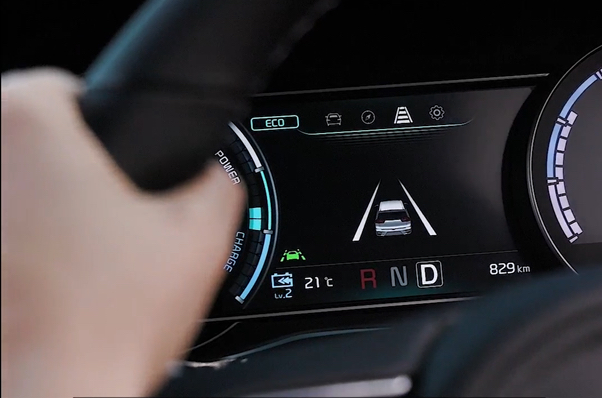
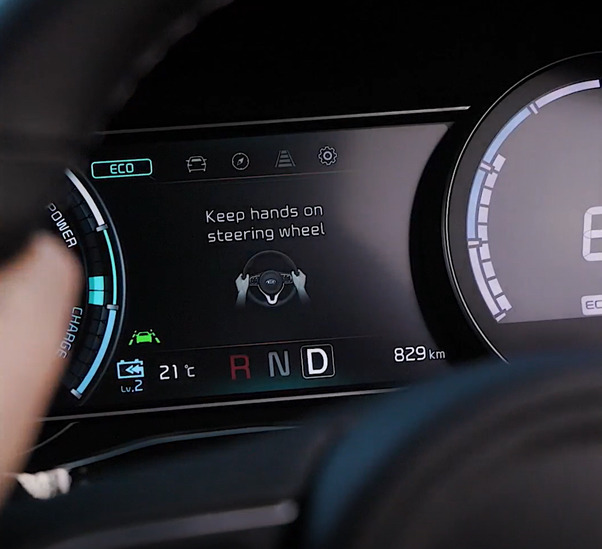
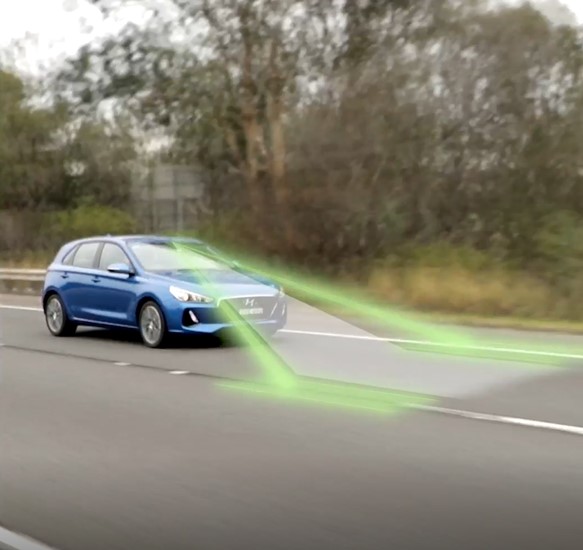


IAG has launched a landmark national study into how Australian drivers use Advanced Driver-Assistance Systems (ADAS), amid growing concern that life-saving vehicle safety technology is being switched off, misunderstood or underused. The research, conducted with QUT and the iMOVE Cooperative Research Centre, aims to uncover why ADAS features are not delivering the expected reductions in crashes, despite being standard in all new vehicles.
The insurer says the Australian-first field study will analyse real-time driver behaviour when operating systems such as autonomous emergency braking (AEB), adaptive cruise control and lane-keeping assistance. The project includes controlled driver observation sessions at the RACQ Mobility Centre in Brisbane.
IAG Research Centre Head Shawn Ticehurst said the study seeks to understand the behavioural barriers and knowledge gaps preventing motorists from using ADAS correctly. According to IAG’s consumer research, 60 per cent of drivers admit to switching off ADAS features, while 80 per cent say they learned to use them purely through trial-and-error. A further 70 per cent want more information on how to maximise the safety benefits.
The timing is significant for the automotive sector. From March 2025, all new vehicles sold in Australia must include car-to-car autonomous emergency braking under the Australian Design Rules. From August 2026, car-to-pedestrian AEB will also become mandatory. These changes mean new vehicles will increasingly rely on sophisticated sensor suites – including cameras, radar and, in some cases, LiDAR – to manage crash-avoidance functions.
QUT Professor Sebastien Glaser said the research is vital, with ADAS-equipped vehicles forecast to make up 40 per cent of the national fleet by 2031. He said adoption is rising rapidly, but Australia is yet to see the technology’s full life-saving potential because many drivers lack confidence or understanding.
The study will also explore several technical questions tied directly to the repair and insurance sectors, including how ADAS performance degrades over the life of a vehicle and whether radar sensors can be safely reused after a collision. Understanding these variables is increasingly important as repairers manage a growing mix of camera and radar-dependent vehicles requiring precise calibration to restore safety systems.
IAG will publish its findings in 2026, with the results expected to influence future driver education programs, insurer repair frameworks and national road-safety policy as Australia adapts to a more automated vehicle fleet.