

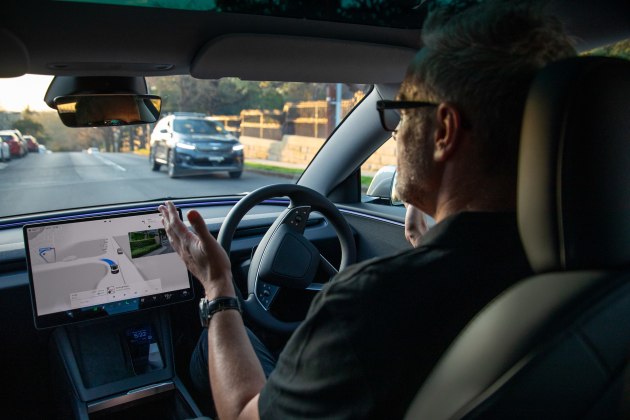
Hybrid vehicles dominate Australian motorists’ future buying intentions, while enthusiasm for fully electric and self-driving technology remains cautious, according to EastLink’s 2025 Self-Driving & Electric Car Survey.
The annual study, which surveyed more than 5,700 participants, found 51 per cent of motorists now include hybrid powertrains in their next-car preferences, unchanged from last year but well ahead of every other option. By comparison, 33 per cent now include fully electric vehicles in their preferences, a modest recovery from 30 per cent last year but still well short of the 42 per cent peak recorded three years ago.
At the same time, petrol and diesel continue their gradual decline, with petrol preference down to 29 per cent and diesel falling to 14 per cent.
Barriers to full electric vehicle adoption are also shifting. For the first time, the lack of charging infrastructure away from home has overtaken purchase cost as the leading concern, nominated by 63 per cent of respondents. Concerns about battery lifespan (57 per cent), driving range (57 per cent) and recharging time (53 per cent) also remain major deterrents.
While most motorists would prefer to charge an electric vehicle at home, with 57 per cent nominating their garage and another 20 per cent choosing their driveway, public charging availability remains a dominant psychological hurdle.
Use of driver-assist systems continues to grow, particularly for features such as collision warning, blind-spot monitoring and adaptive cruise control. However, drivers remain wary of systems that take direct control of steering, with automatic lane changing and active parking assistance among the least used and least desired functions.
Fully self-driving technology continues to divide public opinion. While the proportion of motorists claiming extensive knowledge of autonomous vehicles has climbed to a record nine per cent, almost half still report little to no knowledge. Trust levels are slowly improving, with 17 per cent now rating their trust in self-driving systems at eight out of ten or higher, up from 12 per cent two years ago.
However, acceptance remains limited. Only 21 per cent can definitely imagine using hands-off driving on freeways, compared with 43 per cent who say they definitely would not. Meanwhile, 31 per cent of respondents say they would travel in a fully self-driving robotaxi, continuing a gradual upward trend.
EastLink says the results show that while the initial hype surrounding electric and autonomous vehicles has stabilised, mainstream adoption will continue to depend on practical infrastructure improvements, public trust and clearer regulatory frameworks.