

If “unicasting” sounds new, it’s really not.
According to reporting from Autobody News, Ford Motor Company is developing a new electric pickup using large, single-piece aluminium castings — its take on a manufacturing approach already familiar to many repairers through Tesla.
Tesla calls it gigacasting. Ford calls it unicasting. Either way, it’s the same idea: fewer parts, bigger structures, and a different repair equation.
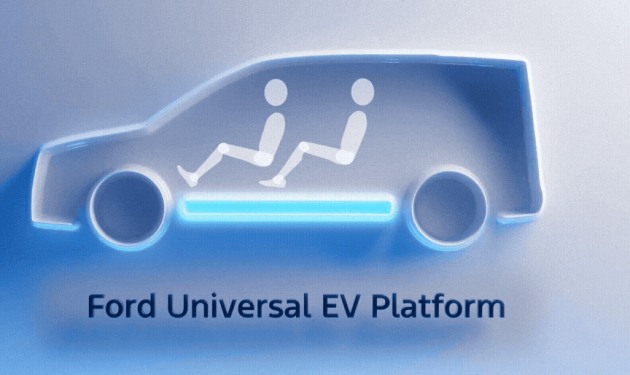
Ford is rolling the process out as part of a new EV platform, with around $2 billion reportedly being poured into retooling its Louisville plant ahead of a planned 2027 start. With a target price of around $30,000, the new ute could land in higher volumes than previous Ford EVs — meaning more of these structures eventually finding their way into repair bays.
So what changes? Plenty. Ford says the approach eliminates 146 separate structural parts and delivers a 27% weight saving. Great for manufacturing. Potentially game-changing for repair.
Fewer parts, different repairs
Instead of dealing with multiple welded components, repairers may be looking at sectioning and replacing larger cast sections — often using adhesives, rivets and bolts rather than traditional welding.
It’s not entirely uncharted territory. Shops already working on Teslas will be familiar with the shift — and the need to follow OEM procedures to the letter.
There may even be some upside. Research comparing a megacast Tesla Model Y with a more conventional Model 3 found certain repairs on the cast structure came in cheaper when done correctly.
But — and it’s a big but — only if the shop has the right tooling, training and processes in place.
Some operators are already moving. US MSO Crash Champions, for example, has invested heavily in rivet and bonding equipment across its network to stay ahead of the curve as cast structures become more common.
Their take? While the build method has changed, the focus on repairability hasn’t — it just looks different.
What it means for Aussie shops
We’re not about to see unicasting flood local workshops overnight. But the direction of travel is clear.
With multiple OEMs exploring similar large-casting strategies, this isn’t a one-brand story — it’s an industry shift.
For repairers, that means keeping a close eye on OEM repair methods, reassessing tooling and training, and being ready to adapt as these vehicles start to filter through the fleet.
Because whether it’s called gigacasting or unicasting, one thing’s certain — it’s not going away.