

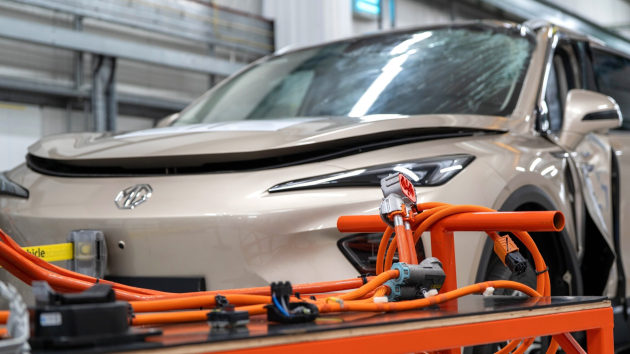

A new industry blueprint developed by Thatcham Research is calling for major design and repair reforms to prevent electric vehicles being unnecessarily written off and to reduce insurance costs.
The initiative – outlined in the Insurability Blueprint for Electrified Vehicles – highlights growing concerns across the insurance and repair sectors about the cost and complexity of repairing electric vehicles following collisions.
At the centre of the problem is the high-voltage battery, which can account for as much as 40 per cent of a vehicle’s total value. In many cases even relatively minor damage to battery casings or brackets can lead insurers to declare the vehicle a total loss because replacing the entire battery pack is often uneconomical.
Thatcham Research warns that unless the automotive industry improves EV repairability and diagnostics, insurance premiums could rise as electrified vehicles become more common.
According to the research organisation, repair costs for battery electric vehicles have historically been about 25 per cent higher than comparable internal combustion engine models, with repair times roughly 14 per cent longer.
However, the organisation says progress is already being made as technicians gain experience with EV systems. Repair costs have fallen by around 10.7 per cent in recent years as repair processes improve.
Despite this progress, battery-related concerns remain the dominant issue for insurers and repairers. Surveys cited in the blueprint show that 44.6 per cent of insurers and 41.7 per cent of repair professionals identify battery damage and replacement costs as the primary obstacle to efficient EV repairs.
To address these challenges, Thatcham Research has proposed a framework of eight technical requirements aimed at improving EV repairability and insurability across the automotive sector.
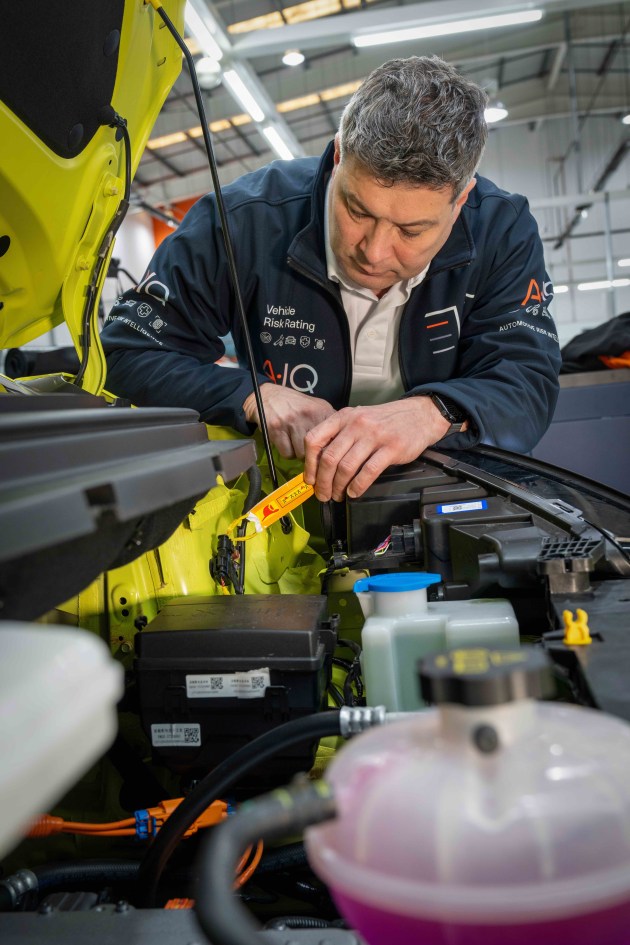
These recommendations include improved battery protection against impacts, accessible high-voltage diagnostics, simplified battery removal procedures and modular battery construction to allow refurbishment or component-level repairs.
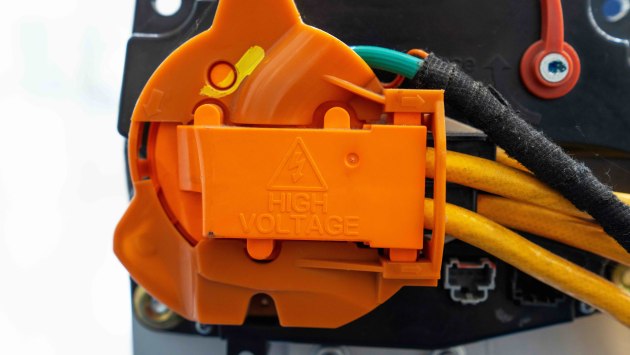
Other recommendations focus on resettable safety systems, clearer vehicle damage assessment guidelines and design changes to critical high-voltage components such as charge ports to reduce repair complexity following minor accidents.
Together, these measures aim to prevent unnecessary write-offs by making electric vehicles easier to assess and repair after collisions.
Thatcham Research says the blueprint is built on three core principles: safety, sustainability and affordability. Safety considerations focus on managing high-voltage systems during recovery and repair, while sustainability emphasises creating a circular economy for EV batteries through repair, refurbishment and remanufacturing. Affordability, meanwhile, centres on ensuring high-voltage components remain economically repairable throughout a vehicle’s life cycle.
The report also highlights the potential environmental benefits of improved battery repairability. Producing a new EV battery can generate more than 10,000 kilograms of CO2, meaning repair and refurbishment can significantly reduce lifecycle emissions compared with full replacement.
In one example cited by the blueprint, a three-year-old EV with minor damage to a battery mounting bracket may currently be written off because replacing the battery exceeds the car’s residual value. Under a more repair-focused system, that battery casing could be repaired or replaced with a refurbished unit, allowing the vehicle to return to service quickly and economically.
Thatcham Research says collaboration across the automotive industry will be essential to implement the blueprint’s recommendations. Vehicle manufacturers, battery suppliers, insurers, repairers and regulators are all identified as key stakeholders in creating a more sustainable EV ecosystem.
As global markets accelerate towards electrification, the organisation argues that the success of electric vehicles will depend not only on emissions reductions but also on ensuring that vehicles remain practical and affordable to repair and insure.
Without those changes, the blueprint warns, rising repair costs could undermine consumer confidence in the transition to electrified mobility.
Click here to download the report.